A Personal Journey into Mechanical Memory
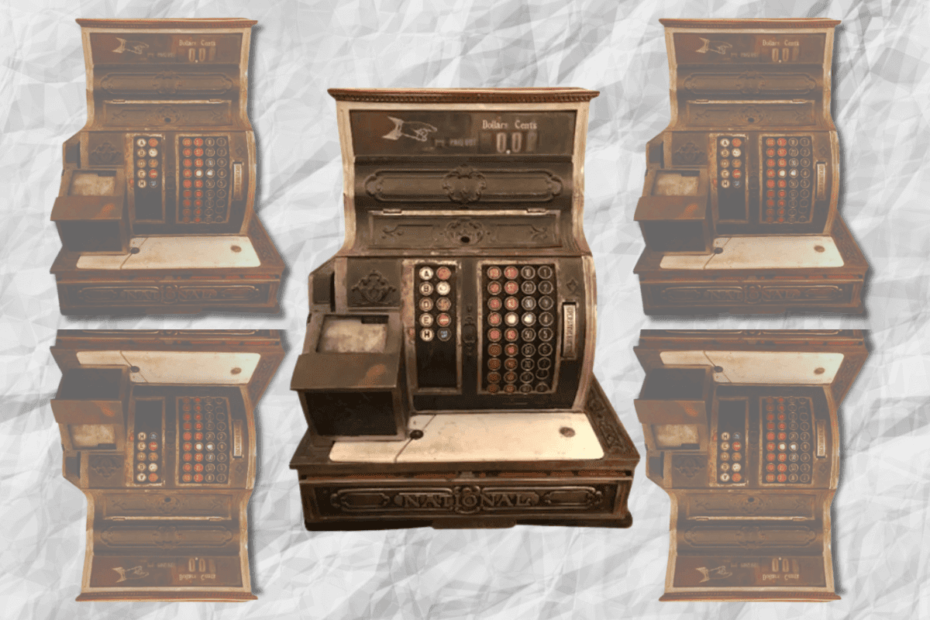
When I first discovered my grandfather‘s beautifully preserved 1902 National Cash Register, something magical happened. The intricate brass mechanisms, the delicate engravings, and the whispers of commercial history captured my imagination. That moment transformed me from a casual observer into a passionate collector of these mechanical marvels.
Cash registers aren‘t just machines – they‘re time capsules capturing the heartbeat of American entrepreneurial spirit. Each register tells a story of innovation, economic transformation, and human creativity.
The Birth of a Technological Revolution
Imagine walking into a bustling general store in the late 19th century. Transactions were chaotic, prone to errors, and vulnerable to theft. Then came a breakthrough that would change everything: the mechanical cash register.
James and John Ritty weren‘t just inventors – they were problem solvers. Working as saloon owners in Dayton, Ohio, they witnessed firsthand the challenges of accurate financial tracking. Their 1879 patent wasn‘t merely a machine; it was a solution to fundamental business challenges.
The Anatomy of Value: What Makes a Cash Register Collectible?
Understanding a cash register‘s value requires more than a casual glance. It demands a trained eye, deep historical knowledge, and an appreciation for mechanical craftsmanship.
Condition: The Silent Storyteller
A cash register‘s condition speaks volumes. Imagine holding a pristine 1890s NCR model – its brass surfaces gleaming, mechanical components intact. Such a machine isn‘t just an object; it‘s a living piece of history.
Collectors like myself don‘t just evaluate condition through visual inspection. We listen to the machine‘s mechanical heartbeat, feel the precision of its movements, and trace the stories etched in its design.
Condition Hierarchy
- Mint Condition: Virtually untouched, original components
- Excellent Condition: Minor restoration, primary mechanisms intact
- Good Condition: Functional, some aesthetic wear
- Fair Condition: Mechanical challenges, significant restoration needed
Rarity: The Collector‘s Holy Grail
Not all cash registers are created equal. Some models are so rare that they become legendary among collectors. I once encountered a limited-edition 1897 NCR model with hand-engraved floral patterns – a true masterpiece that commanded an astounding $12,500 at a specialized auction.
Rarity isn‘t just about age. It‘s about unique design elements, limited production runs, and historical significance.
The Economic Ecosystem of Cash Register Collecting
Collecting isn‘t just a hobby – it‘s an intricate economic ecosystem. Prices fluctuate based on multiple factors: historical significance, mechanical complexity, and collector demand.
Market Dynamics
Recent trends show fascinating shifts. While early 20th-century models remain popular, collectors are increasingly interested in machines representing technological transition points.
A 1910 NCR register representing the shift from manual to early electric mechanisms might fetch significantly more than a standard model from the same period.
Preservation: More Than Just Maintenance
Preserving a cash register requires scientific precision and artistic sensitivity. It‘s a delicate dance between maintaining original integrity and preventing deterioration.
Conservation Techniques
Temperature-controlled environments, specialized lubricants, and minimal invasive restoration are crucial. Each intervention must respect the machine‘s original engineering.
Global Perspectives: Cash Registers Beyond American Borders
While NCR originated in the United States, its influence spread globally. European and Asian collectors bring unique perspectives, creating a rich, international collecting community.
International Collector Insights
European collectors often focus on mechanical complexity, while Asian collectors appreciate aesthetic design elements. This diversity enriches our collective understanding of these machines.
The Psychological Landscape of Collecting
Why do people collect cash registers? It‘s never just about the machine. It‘s about connecting with history, understanding technological evolution, and preserving human innovation.
For many collectors, each register represents a narrative – of entrepreneurship, technological progress, and human creativity.
Investment Potential: Beyond Nostalgia
Smart collectors understand that these machines are more than nostalgic objects. They‘re potential investment assets with appreciating value.
Value Appreciation Factors
- Historical significance
- Mechanical complexity
- Preservation state
- Rarity
- Documented provenance
Future of Mechanical Heritage
As digital technology advances, mechanical devices like cash registers become increasingly precious. They represent a tangible connection to our technological roots.
Emerging Collector Demographics
Today‘s collectors aren‘t just older enthusiasts. Young technology professionals, design experts, and history buffs are discovering the magic of mechanical heritage.
Conclusion: A Living Legacy
National Cash Registers are more than metal and gears. They‘re stories of human ingenuity, economic transformation, and technological marvel.
To the aspiring collector: your journey is just beginning. Each register you discover carries a universe of stories waiting to be understood.
Your Next Steps
- Research extensively
- Connect with collector communities
- Handle machines with respect
- Document your discoveries
- Share your passion
Remember, in the world of mechanical collecting, you‘re not just acquiring an object – you‘re becoming a guardian of technological history.
