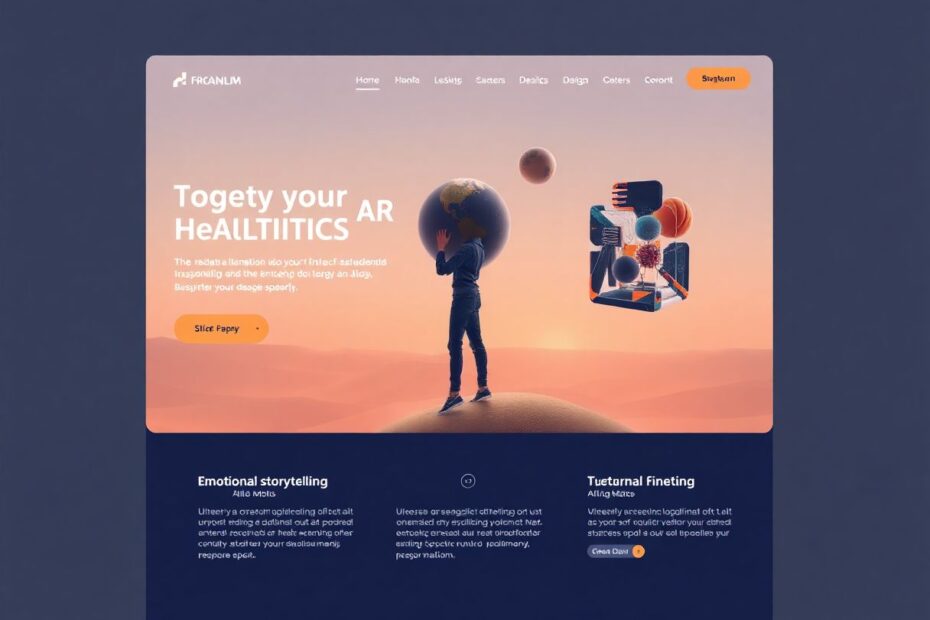
In today's rapidly evolving digital landscape, a well-designed website is more than just a virtual business card—it's the cornerstone of your online presence. As we approach 2025, the art and science of website design continue to advance, incorporating cutting-edge technologies and adapting to ever-changing user expectations. This comprehensive guide will equip you with the knowledge and strategies needed to create a website that not only captivates visitors but also delivers an exceptional user experience.
Understanding the Foundations of Great Website Design
Before we delve into specific tips and trends, it's crucial to grasp the fundamental elements that contribute to outstanding website design:
- Accessibility: Ensuring your site is usable by people of all abilities
- Color palette: Choosing colors that reflect your brand and enhance user experience
- Visual elements: Incorporating impactful images, videos, and graphics
- Functionality: Ensuring your site works seamlessly across all devices
- Navigation: Creating intuitive pathways for users to find information
- Typography: Selecting fonts that are both readable and on-brand
Accessibility: Designing for Everyone
In 2025, accessibility is not just a legal requirement but a fundamental aspect of good design. Here are some key considerations:
- Use sufficient color contrast for text and background
- Provide alt text for images
- Ensure keyboard navigation is possible throughout the site
- Use descriptive link text
- Implement proper heading structure (H1, H2, H3, etc.)
"Designing for accessibility doesn't just benefit users with disabilities; it improves the experience for everyone." – Web Accessibility Initiative (WAI)
According to the World Health Organization, over 1 billion people worldwide live with some form of disability. By prioritizing accessibility, you're not only expanding your potential audience but also demonstrating social responsibility.
Color Palette: Creating Visual Harmony
Your color choices can significantly impact user perception and behavior. In 2025, we're seeing a trend towards:
- Earthy, natural tones that create a sense of calm
- Bold, vibrant accents that draw attention to key elements
- Dark mode options for reduced eye strain
Pro tip: Use tools like Adobe Color or Coolors to create harmonious color schemes that align with your brand identity.
Visual Elements: Bringing Your Site to Life
High-quality visuals are more important than ever. Consider these trends:
- Immersive 3D graphics and animations
- Virtual reality (VR) and augmented reality (AR) elements
- Authentic, diverse imagery that represents your audience
"In 2025, users expect more than static images. They want interactive, engaging visual experiences that tell a story." – Jared Spool, Founder of User Interface Engineering
Essential Website Design Tips for 2025
Now that we've covered the basics, let's dive into specific tips to elevate your website design:
1. Embrace Minimalism with a Purpose
While minimalism has been a trend for years, in 2025 it's about more than just aesthetics. A clean, uncluttered design helps users focus on what's important:
- Use white space effectively to guide the user's eye
- Limit your color palette to 2-3 primary colors
- Prioritize content and remove unnecessary elements
Research by the Nielsen Norman Group shows that users typically leave web pages within 10-20 seconds. A minimalist design can help you quickly convey your message and keep visitors engaged.
2. Optimize for Mobile-First
With mobile traffic continuing to dominate, designing for smaller screens is crucial:
- Use responsive design techniques
- Implement touch-friendly navigation
- Ensure fast loading times on mobile networks
"By 2025, over 72% of internet users will access the web solely through smartphones. Your site must be mobile-optimized to succeed." – Statista Research Department
3. Incorporate AI-Driven Personalization
Artificial Intelligence is revolutionizing website design by offering personalized experiences:
- Use AI chatbots for instant customer support
- Implement dynamic content that changes based on user behavior
- Offer AI-powered product recommendations
A study by Accenture found that 91% of consumers are more likely to shop with brands that provide relevant offers and recommendations.
4. Prioritize Loading Speed
In an era of instant gratification, every millisecond counts:
- Optimize images and videos
- Use lazy loading for content below the fold
- Implement browser caching
"A 1-second delay in page load time can lead to a 7% reduction in conversions." – Akamai Technologies
5. Design for Voice Search
As voice-activated devices become more prevalent, optimizing for voice search is essential:
- Use natural language in your content
- Implement structured data markup
- Create FAQ pages that answer common voice queries
According to Juniper Research, voice commerce is expected to reach $80 billion by 2025, making it a crucial consideration for e-commerce websites.
6. Enhance Typography for Better Readability
Typography plays a crucial role in user experience:
- Choose fonts that align with your brand personality
- Use a maximum of two typefaces for consistency
- Ensure proper contrast and sizing for readability
Studies show that good typography can increase reading comprehension by up to 13%, according to the Software Usability Research Laboratory.
7. Implement Micro-Interactions
Small, functional animations can significantly enhance user engagement:
- Add hover effects to buttons
- Use progress bars for multi-step processes
- Incorporate subtle loading animations
Micro-interactions can increase user engagement by up to 40%, according to a study by UX Booth.
8. Utilize Asymmetrical Layouts
Break away from rigid grid systems with asymmetrical designs:
- Create visual interest with unconventional layouts
- Use asymmetry to guide the user's eye to important elements
- Maintain balance through careful placement of visual elements
Advanced Techniques for Cutting-Edge Websites
For those looking to push the boundaries of web design in 2025, consider these advanced techniques:
Implement WebGL for Immersive 3D Experiences
WebGL allows you to create stunning 3D graphics directly in the browser:
- Showcase products in 3D
- Create interactive data visualizations
- Develop immersive brand experiences
Companies like Adidas and Burberry have successfully used WebGL to create engaging product showcases, resulting in increased time on site and conversion rates.
Utilize Progressive Web Apps (PWAs)
PWAs offer app-like experiences within the browser:
- Provide offline functionality
- Enable push notifications
- Offer fast, responsive performance
Twitter Lite, a PWA version of Twitter, saw a 65% increase in pages per session and a 75% increase in tweets sent after its launch.
Incorporate Biometric Authentication
Enhance security and user convenience with biometric login options:
- Implement fingerprint scanning on mobile devices
- Utilize facial recognition where available
- Ensure compliance with privacy regulations
According to a report by MarketsandMarkets, the biometric system market is expected to reach $68.6 billion by 2025, highlighting its growing importance in digital security.
Emerging Trends to Watch
As we look towards 2025 and beyond, several emerging trends are set to reshape the web design landscape:
1. Augmented Reality (AR) Integration
AR is moving beyond gaming and entertainment, finding practical applications in e-commerce and education:
- Virtual try-ons for fashion and cosmetics
- Immersive product demonstrations
- Interactive learning experiences
IKEA's AR app, which allows users to visualize furniture in their homes, has been downloaded over 35 million times, demonstrating the potential of AR in improving the online shopping experience.
2. Sustainable Web Design
As environmental concerns grow, sustainable web design is gaining traction:
- Optimize for energy efficiency
- Use eco-friendly hosting providers
- Implement dark mode to reduce screen energy consumption
A study by Wholegrain Digital found that the average website produces 1.76 grams of CO2 per page view. Sustainable design practices can significantly reduce this environmental impact.
3. Emotional Design
Websites that evoke positive emotions can create stronger connections with users:
- Use color psychology to influence mood
- Incorporate storytelling elements
- Design for inclusivity and empathy
Research by the Design Management Institute shows that emotion-driven design can lead to a 200% increase in customer engagement.
4. Artificial Intelligence in Design
AI is not just for personalization; it's becoming a design tool itself:
- AI-generated layouts and color schemes
- Automated A/B testing and optimization
- Predictive design based on user behavior
Adobe's Sensei AI, for example, can automatically crop and resize images to fit different screen sizes, saving designers significant time and effort.
Conclusion: Crafting the Perfect Website for 2025 and Beyond
As we look to the future of web design, it's clear that the focus is on creating intuitive, personalized, and immersive experiences. By embracing these design principles and staying ahead of technological trends, you can create a website that not only meets the expectations of 2025 users but also stands the test of time.
Remember, great web design is an ongoing process. Continuously gather user feedback, analyze performance metrics, and be prepared to adapt your design as new technologies and user preferences emerge. With these strategies in place, your website will be well-positioned to captivate audiences and drive business success in the digital age.
As you embark on your web design journey for 2025, keep in mind that the most successful websites are those that strike a balance between cutting-edge technology and timeless user experience principles. By focusing on accessibility, performance, and engaging design, you'll create a digital presence that not only attracts visitors but keeps them coming back for more.
