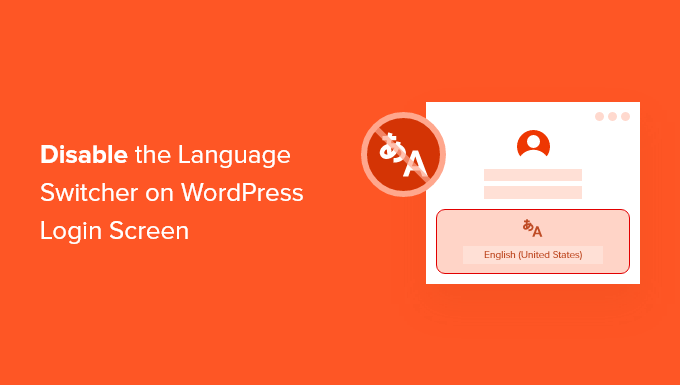
Hey there, WordPress user! Have you ever noticed that little language switcher dropdown on your WordPress login screen? If your site only uses one language, this extra option is probably just taking up space.
In this guide, we‘ll walk you through how to easily hide the WordPress login language switcher and streamline your login page. Whether you‘re a beginner or a WordPress pro, you‘ll find a solution that works for you.
What is the WordPress Login Language Switcher?
First, let‘s clarify what we‘re talking about. The WordPress login language switcher is a dropdown menu that appears at the bottom of the default WordPress login screen. It allows users to change the display language for the WordPress admin dashboard.
Here‘s what it looks like:
[Screenshot of language switcher]This can be handy for sites with an international audience. According to a study by W3Techs, around 5% of all websites use WordPress in a multilingual configuration. However, for the vast majority of WordPress sites that only operate in one language, the login language switcher is unnecessary.
In fact, many WordPress experts recommend removing the language switcher for single-language sites. As Kinsta explains in their guide to WordPress login customization:
"If your website is only in one language, there‘s no real need for the language switcher on the login page. It‘s just an extra element that could potentially confuse users."
So, if you‘ve decided it‘s time to hide the language switcher on your WordPress login page, read on for three methods you can use.
Method 1: Disable the Language Switcher with the WPCode Plugin (No Coding Required)
Our recommended method for removing the WordPress login language switcher is using the free WPCode plugin. This handy tool allows you to easily add custom code snippets to your WordPress site without editing theme or plugin files directly.
Here‘s how to use WPCode to disable the language switcher:
Install and activate the free WPCode plugin on your WordPress site. If you need help with this step, check out our beginner‘s guide to installing WordPress plugins.
In your WordPress dashboard, go to Code Snippets > Add Snippet.
In the search bar, type "language" and press Enter.
Find the "Disable Login Screen Language Switcher" snippet in the results. Click the "Use snippet" button to select it.
- On the snippet settings page, toggle the "Activate" switch to enable to code. Click "Update" to save your changes.
That‘s it! The language switcher will now be hidden on your WordPress login page. If you ever need to show it again, simply toggle the snippet back to "Inactive".
One big advantage of using WPCode is that it gives you access to a large library of other useful WordPress code snippets. You may want to browse through the available options to see if any other tweaks catch your eye.
Of course, WPCode also allows you to add your own custom code snippets. If you know PHP, you can easily create your own snippets and activate them on your site without risking damage to your theme or plugin files.
Method 2: Use the Disable Login Language Switcher Plugin
If you‘d prefer a dedicated plugin to remove the WordPress login language switcher, you can use the free Disable Login Language Switcher plugin.
This lightweight plugin does exactly what it says – hides the language switcher dropdown from the WordPress login screen. It doesn‘t add any extra settings or options.
To use this method:
Install and activate the Disable Login Language Switcher plugin.
That‘s it! There are no additional settings to configure. The language switcher will be automatically hidden on your login page.
One potential downside is that this plugin hasn‘t been updated in a while. However, we‘ve tested it with the latest version of WordPress and can confirm it still works as intended.
Keep in mind that if you deactivate the Disable Login Language Switcher plugin, the language switcher dropdown will reappear on your login page. The plugin needs to remain active to hide the switcher.
Method 3: Manually Edit Your WordPress Functions.php File
If you‘re comfortable editing WordPress files, you can also remove the login language switcher by adding a small code snippet to your theme‘s functions.php file.
Here‘s how:
Access your WordPress files via FTP or your hosting dashboard file manager.
Navigate to the /wp-content/themes/ folder and open your currently active theme directory.
Download a copy of the functions.php file and save a backup before making changes.
Open functions.php for editing and paste this code at the bottom:
add_filter( ‘login_display_language_dropdown‘, ‘__return_false‘ );- Save the changes and re-upload the edited functions.php file to your server.
This code snippet uses a WordPress filter hook to disable the language switcher dropdown. However, be careful when editing core WordPress files like functions.php. One mistake could break your site.
If you‘re not confident with PHP, we recommend using a plugin like WPCode instead to avoid accidentally introducing errors.
Tips for Managing Language Settings in WordPress
Hiding the WordPress login language switcher is a simple change, but there are a few other language-related settings and features you should know about:
Set your site‘s default language
Under Settings > General in the WordPress dashboard, you can choose your site‘s default language. According to WordPress.org, over 70 languages are currently supported. Make sure to pick the best one for your target audience.
Use a multilingual plugin to translate your content
If you want to offer your website content in multiple languages, you‘ll need a multilingual WordPress plugin. Some of the most popular options include WPML, Weglot, and Polylang. These plugins make it easy to create and manage translations of your posts, pages, and other content.
However, keep in mind that removing the login language switcher doesn‘t affect your site‘s ability to serve multilingual content. It only hides the option to switch the admin language on the login page.
Consider additional login page customization
Disabling the language switcher is a good first step to simplifying your WordPress login page. But there are many other ways you can customize the design and content of your login screen.
Some common login page tweaks include:
- Replacing the WordPress logo with your own branding
- Adding custom CSS to style the login form
- Changing the default login error messages
- Redirecting users to a specific page after login
If you‘re interested in making more changes to your login page, check out our collection of useful WordPress login page customization snippets.
Frequently Asked Questions
Before we wrap up, let‘s address a few common questions about the WordPress login language switcher:
Will disabling the language switcher affect my site‘s translations?
No, hiding the language switcher on the login page doesn‘t impact your site‘s ability to display translated content to visitors. It only affects the display language of the WordPress admin dashboard.
Can I hide the language switcher without a plugin?
Yes, you can hide the language switcher by editing your theme‘s functions.php file as described in Method 3 above. However, we recommend using a plugin like WPCode unless you‘re very comfortable with PHP.
What if I change my mind and want to show the language switcher again?
No problem! If you used WPCode or the Disable Login Language Switcher plugin, simply deactivate the relevant code snippet or plugin to restore the language switcher dropdown. If you edited your functions.php file directly, just remove the code snippet you added.
Will hiding the language switcher improve site performance?
Not noticeably. The login language switcher is a very small element on the page. Removing it might shave a tiny fraction of a second off your login page load time, but it won‘t have a significant impact on overall site performance. The main benefit is simplifying the login layout.
Wrapping Up
Whew, that was a comprehensive look at dealing with the WordPress login language switcher! To recap, you have three main options for disabling it:
- Use the WPCode plugin (recommended for most users)
- Install the Disable Login Language Switcher plugin
- Edit your functions.php file directly (only if you‘re confident with PHP)
Ultimately, whether or not to hide the language switcher depends on your site‘s needs. If you‘re running a multilingual site and your users need to switch the admin language often, keep the switcher visible. But for most WordPress sites, hiding it is a simple way to streamline the login experience.
Now that you know how to hide the WordPress login language switcher, you might be looking for other ways to customize your site. Check out our other guides to learn more about personalizing your WordPress admin dashboard, optimizing your site‘s performance and security, and more.
If this guide helped you out, please consider sharing it with your fellow WordPress users. And if you have any other questions about managing WordPress language settings, feel free to leave a comment below. Happy customizing!
)